Quote request
How to Choose Venetian Blinds for Your Home
Venetian blinds are often considered a universal solution for light and privacy control. However, in practice, their performance depends on several factors such as room type, window size and how often you need to adjust light throughout the day.
Before choosing this type of window covering, it is important to understand not only how Venetian blinds work, but also where they are most effective and what limitations they may have in real use.
This guide explains the key considerations to help you make an informed decision.
What Are Venetian Blinds and How Do They Work?
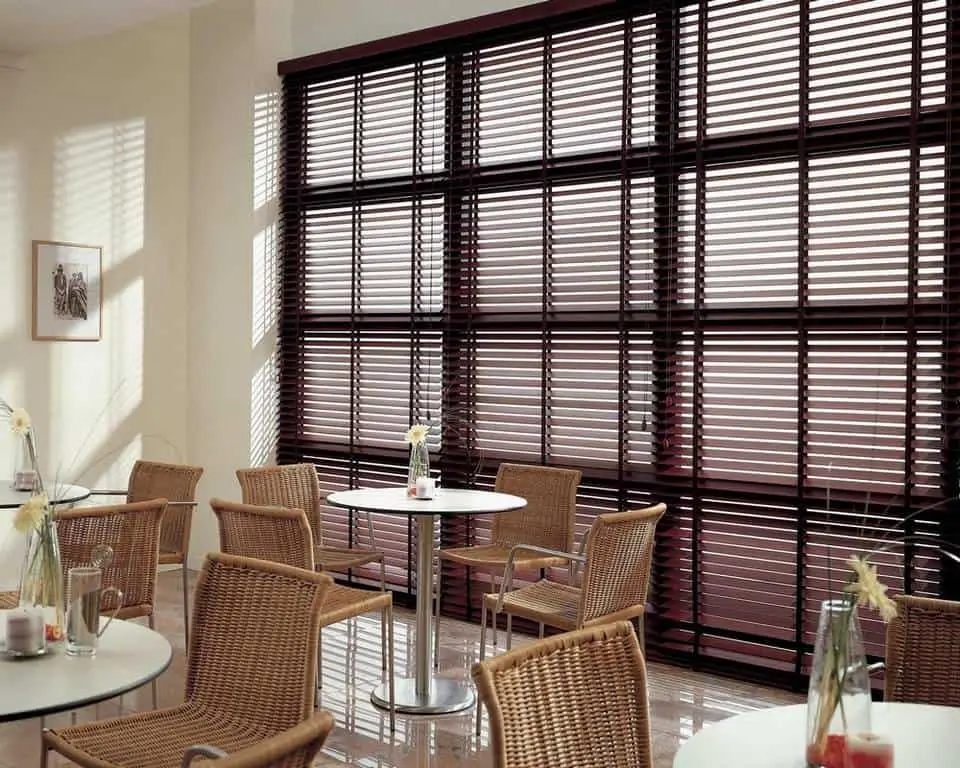
Venetian blinds are built from horizontal slats connected to a simple but effective control mechanism. This system allows two independent actions — lifting the blind completely and adjusting the angle of the slats.
Unlike many other window coverings, Venetian blinds do not force you to choose between fully open or fully closed positions. Instead, they allow gradual control over light and visibility.
In practical terms, this means you can fine-tune the indoor environment without constantly raising or lowering the blinds.
Light Control in Everyday Use
One of the main reasons people consider Venetian blinds is the level of control they offer. However, this benefit becomes clear only in everyday situations.
For example, in rooms with direct sunlight, fixed window coverings often create either too much brightness or too much shade. Venetian blinds solve this by allowing small adjustments throughout the day.
When using them, there are two main ways to control light:
- tilting the slats to redirect sunlight
- raising the blind to fully open the window
This flexibility helps reduce glare, maintain natural light and adjust privacy without making the room too dark.
Where Venetian Blinds Work Best
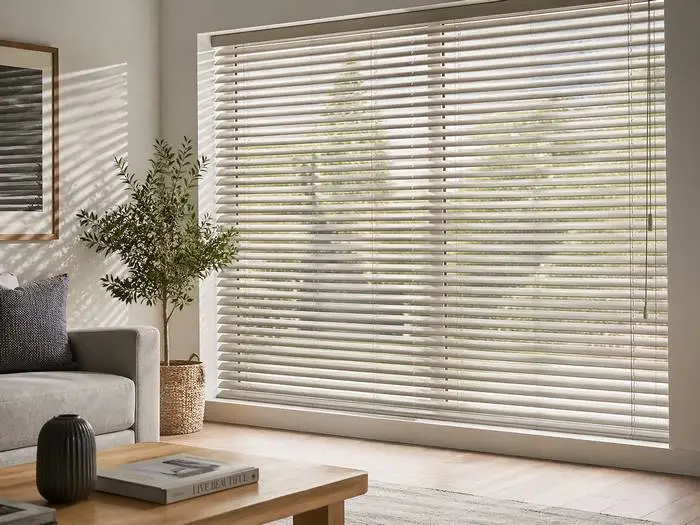
Internal Venetian blinds are not equally effective in every space. Their advantages are most noticeable in rooms where lighting conditions change frequently.
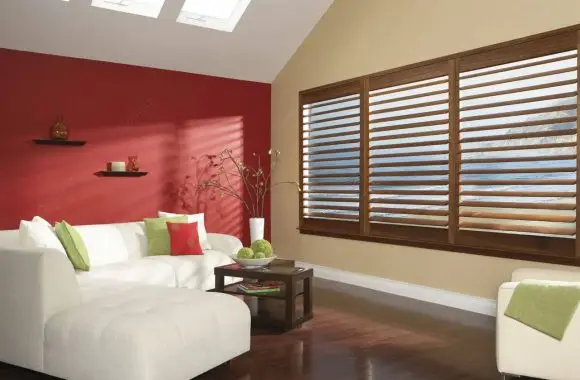
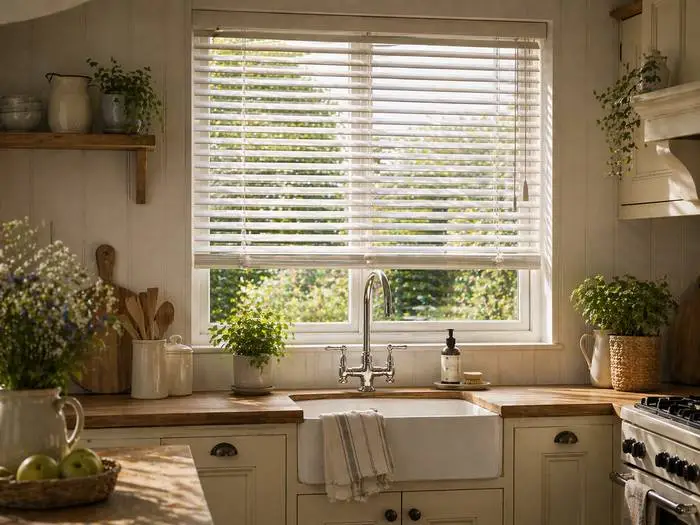
They are commonly used in living areas, kitchens and home offices because these spaces require a balance between daylight and comfort. In such environments, the ability to adjust light without fully blocking it becomes particularly useful.
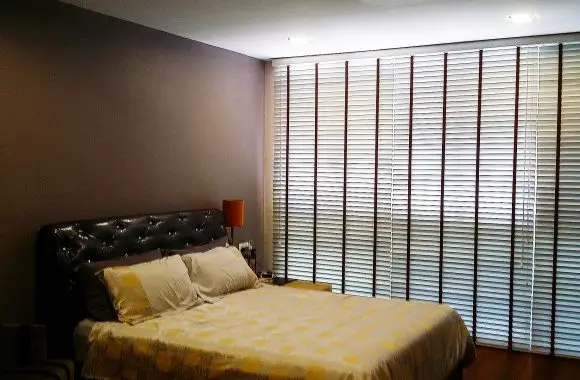
In addition, Venetian blinds are often chosen for medium-sized windows, where they provide a clean and structured look without overwhelming the interior.
Choosing the Right Material for Your Space
The choice of material has a direct impact on durability, maintenance and how the blinds perform over time. While appearance is important, practical factors should come first.
Aluminium blinds are typically used in areas exposed to moisture, such as kitchens or bathrooms, because they are resistant to humidity and easy to clean. Timber blinds, on the other hand, are selected mainly for their visual appeal and are more suitable for dry living spaces.
PVC options provide a balance between cost and practicality, making them a common choice for functional areas where durability matters more than design details.
Understanding how each material behaves in different conditions helps avoid common mistakes when selecting blinds.
Advantages and Limitations You Should Consider
Before making a decision, it is useful to look at Venetian blinds not only from a benefits perspective, but also in terms of their limitations. This helps set realistic expectations and choose the right solution for your needs.
Venetian blinds are valued for their flexibility and adaptability. They allow precise adjustment of light and privacy, work well with different interior styles and can be used across a wide range of window sizes.
At the same time, there are practical aspects to consider. Dust can accumulate on the slats, which means regular cleaning is required. For very large window spans, other shading systems may sometimes be more suitable. In addition, Venetian blinds require occasional manual adjustment during the day to maintain optimal light conditions.
Maintenance and Cleaning Requirements
In everyday use, Venetian blinds are relatively easy to maintain, but they do require consistency. Without regular care, dust buildup can affect both appearance and functionality.
Routine cleaning usually involves simple dusting with a soft cloth or a duster. In spaces like kitchens, occasional deeper cleaning may be necessary due to grease or moisture.
If you want a more detailed approach to keeping your blinds in good condition, it’s worth following a step-by-step cleaning guide for Venetian blinds.
Long-Term Use and Durability
When properly maintained, Venetian blinds can last for many years without significant changes in appearance or performance. Their durability depends largely on material quality and installation.
Aluminium slats tend to retain their shape and colour over time, while timber requires a more controlled indoor environment. The overall lifespan is also influenced by how frequently the blinds are adjusted and how carefully the mechanism is used.
If repairs are ever needed, most common issues can be fixed without replacing the entire system by using practical repair methods.
Installation and Fit
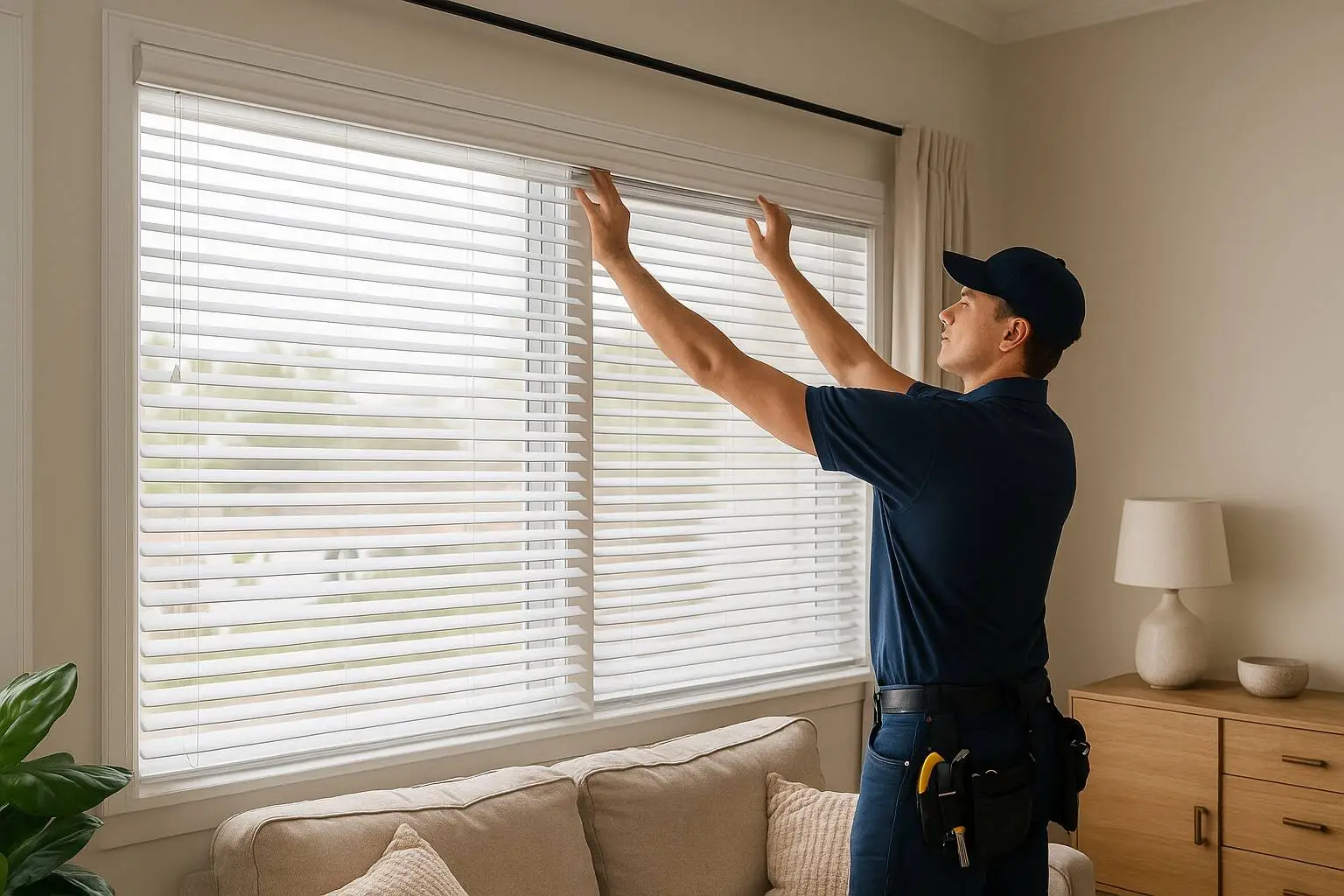
Proper installation plays a key role in how Venetian blinds function. Incorrect measurements or mounting can affect both usability and appearance.
Blinds can be installed inside the window recess or mounted on the surface, depending on the design and space requirements. Each option has its own visual and practical implications.
If you are unsure about measurements or fitting, it helps to review general guidance on how to measure blinds correctly.
For more complex projects, professional installation can provide a more accurate fit and better long-term performance.
When Venetian Blinds Are the Right Choice
Venetian blinds are most suitable when you need a balance between light control, privacy and a clean interior look.
They work particularly well in spaces where lighting changes throughout the day and where full blackout is not required. Their structured design also makes them compatible with both modern and traditional interiors.
However, for rooms where complete darkness or minimal maintenance is a priority, other window covering options may be worth considering.
Are Internal Venetian Blinds the Right Option for Your Home?
Venetian blinds remain a practical and flexible option for many homes. Their main advantage lies in the ability to adjust light precisely without sacrificing visibility or comfort.
Choosing the right material, understanding their limitations and ensuring proper installation will help you get the best long-term result from this type of window covering.