Quote request
Why Skylight Blinds Matter: Light, Heat & Comfort
Skylights can completely transform a space by bringing in natural light and making rooms feel more open. However, unlike standard windows, they introduce a different set of challenges that are often overlooked at the planning stage.
Many homeowners only realise the downsides after installation. Excessive heat in summer, glare during the day, and rapid temperature loss in winter can turn a well-lit room into an uncomfortable environment. This is where skylight blinds become a practical solution rather than just an optional upgrade.
The Hidden Problems Skylights Create
Skylights are positioned directly in the path of sunlight, which makes them significantly more exposed than vertical windows. As a result, they can affect indoor comfort in several ways:
- Overheating during warmer months
- Strong glare affecting screens and visibility
- Heat escaping during colder periods
- Reduced privacy in certain layouts
These issues are especially noticeable in bedrooms, living areas and home offices, where consistent light and temperature control matter most.
How Skylight Blinds Improve Daily Comfort
Instead of trying to limit skylight benefits, blinds allow you to control them.
They act as a barrier that regulates how much light and heat enters the room. This makes it possible to keep natural brightness while avoiding discomfort.
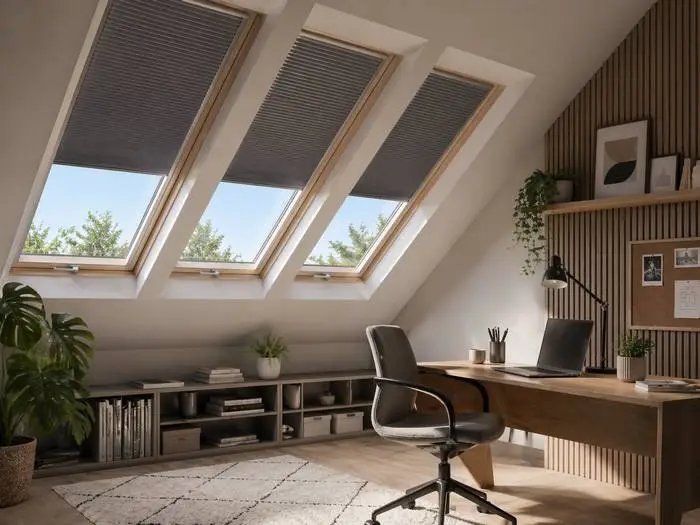
For example, in a bedroom setting, blinds can reduce early morning light without blocking it completely. In a workspace, they help eliminate screen glare while maintaining a balanced level of daylight.
The result is a more usable space throughout the day.
Light Control vs Heat Control: Why Both Matter
A common misunderstanding is that skylight blinds are only about blocking light. In reality, temperature control is often the bigger factor.
High-quality materials can reflect or absorb solar heat, helping stabilise indoor conditions. This reduces reliance on air conditioning in summer and heating in winter.
The combination of light filtering and thermal performance makes skylight blinds a functional part of home efficiency, not just a decorative feature.

When Skylight Blinds Become Essential
There are specific situations where installing blinds is not just beneficial but necessary:
- Rooms with direct sun exposure for most of the day
- Skylights positioned above beds or seating areas
- Spaces used for media, work or relaxation
- Homes with large or multiple skylight panels
In these cases, leaving skylights uncovered often leads to long-term discomfort and higher energy use.
Choosing the Right Approach
Not all internal skylight blinds perform the same. The choice depends on how the space is used and what problem you are trying to solve.
Some options prioritise maximum light reduction, while others focus on maintaining brightness with minimal glare. There are also solutions designed for insulation and energy efficiency.
Operation method is another consideration. For hard-to-reach windows, remote or motorised systems provide easier control, while manual options can be sufficient for lower installations.

Practical Considerations Before Installation
Before installing skylight blinds, accurate measurements are critical. Unlike standard vertical windows, skylights often have angles, recesses or limited access, which makes precision especially important. Even small measurement errors can lead to gaps, reduced performance or fitting issues, so it is important to understand how measurements should be taken correctly.
In addition to measurements, the installation process itself can vary depending on the window position and accessibility. Hard-to-reach skylights or complex layouts may require specialised tools or experience to ensure proper alignment and smooth operation over time. In these situations, choosing a professional approach can help avoid common installation problems and ensure a reliable result.
It is also worth considering long-term use. Skylight blinds are exposed to regular sunlight and temperature changes, which can affect materials and mechanisms over time. While most systems are designed for durability, occasional adjustments or servicing may be required to maintain performance. If issues arise, timely maintenance or minor repairs can extend the lifespan of the blinds and prevent more significant problems.
Long-Term Benefits Beyond Comfort
While immediate comfort is the main reason homeowners consider skylight blinds, the long-term advantages are equally important.
They help protect interiors from UV exposure, reduce fading of furniture and flooring, and contribute to more stable indoor temperatures throughout the year.
Over time, this can lead to lower energy costs and a more consistent living environment.
What to Consider Before Choosing Skylight Blinds
Skylights are designed to improve natural lighting, but without proper control, they can create more problems than benefits. Skylight blinds provide a balanced solution by allowing you to manage light, heat and privacy without losing the advantages of overhead windows.
For homeowners planning to improve comfort and usability, they are a practical addition rather than an optional extra.